Brown & Brown (BRO) Pullback: Is the Stabilizing Uptrend Taking Shape for a Deeper Move, or a Rebound?
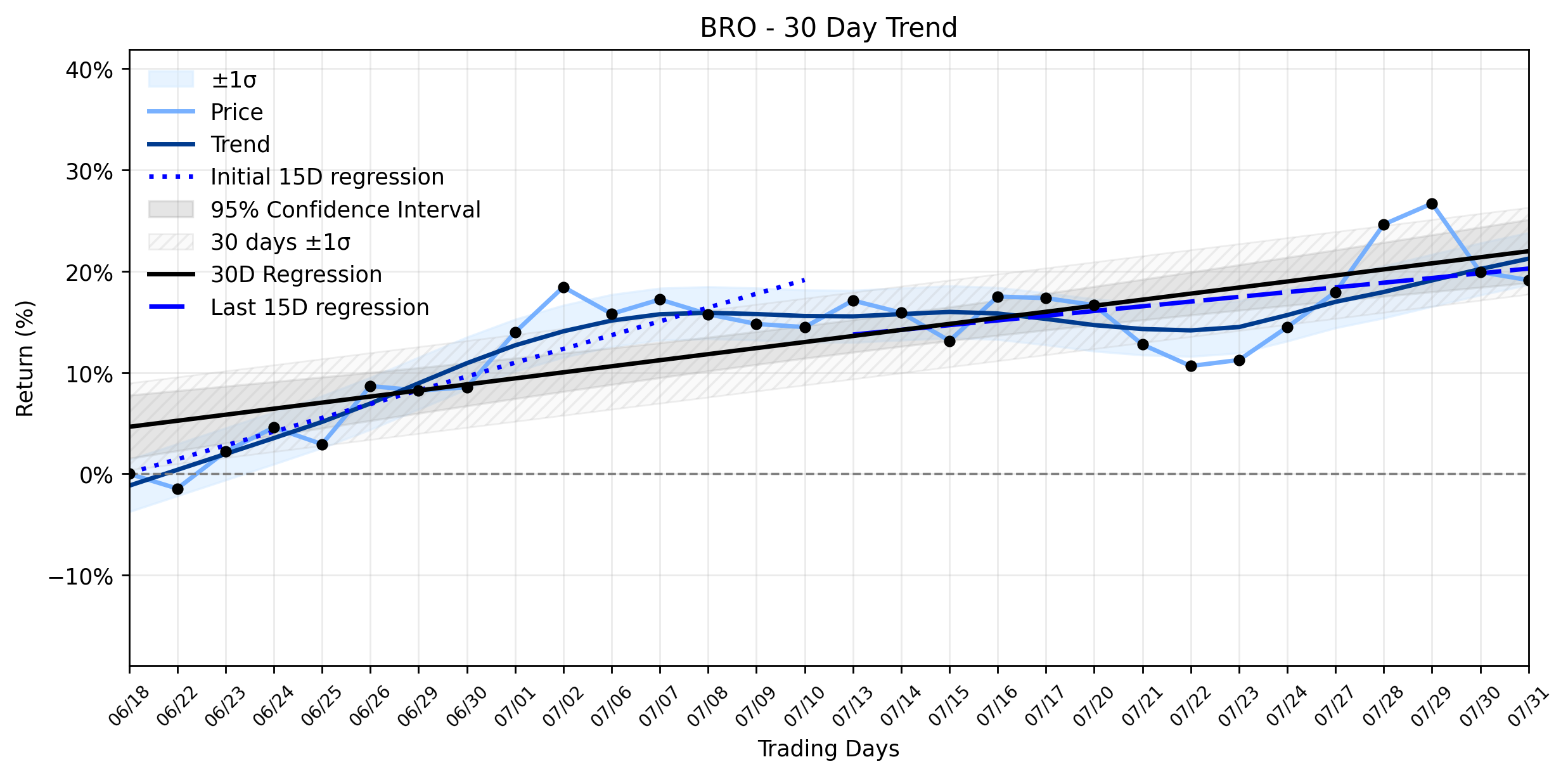
Pct Price Change: -0.66%
On the last trading day, BRO opened at $70.87, reached a high of $70.90, and dipped to a low of $69.28 before closing at $70.40. This resulted in a change of -$0.47 and a percentage change of -0.66%. The trading volume stood at 2,741,700, with the company maintaining a substantial market capitalization of $23,556,569,643.
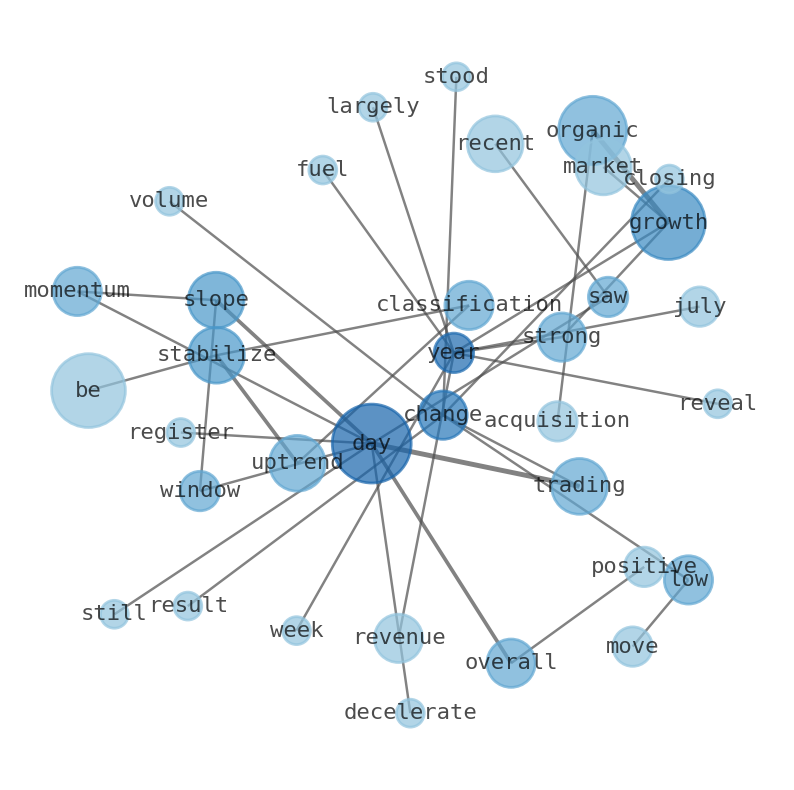
This daily dip arrives amidst a complex trend analysis. The earliest 15 trading days in the window showed a robust regression slope of 1.3609% per day, indicating strong initial momentum. However, the most recent 15 trading days saw this slope decelerate to 0.4655% per day. The overall 30-day window still registers a positive slope of 0.5977% per day, and the Combined momentum classification points to an Uptrend stabilizing. The Delta classification is noted as insufficient data, which means the shift in momentum, while evident in the changing slopes, wasnt categorized as a significant acceleration or deceleration by the model. This suggests the recent pullback could be a natural oscillation within a broader, albeit less aggressive, upward channel.
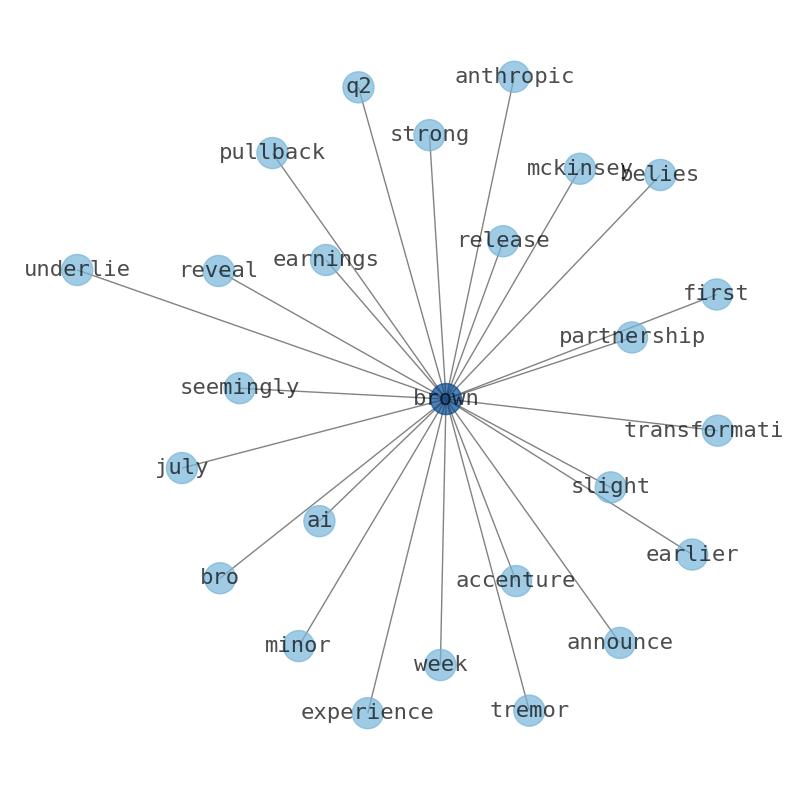
The news from yesterday, July 31, 2026, sheds some light on this dynamic. Brown & Browns Q2 2026 earnings, released earlier in the week on July 27, revealed strong year-over-year revenue growth, largely fueled by the Accession acquisition. However, organic growth turned negative, a point of concern for analysts. As reported by MarketBeat and Investing.com, the company missed Wall Streets revenue estimates and narrowly missed adjusted EPS forecasts, with organic growth declining by 0.7% excluding contingent commissions. This softer-than-expected top line and the weak organic growth trend likely contributed to the recent market reaction. Despite this, Brown & Brown announced partnerships with Anthropic, McKinsey, and Accenture for an AI-first transformation aimed at long-term margin improvement, though near-term costs are expected. This strategic pivot towards AI, while promising for future efficiency, may not immediately assuage concerns about core business growth.
The current pullback could be interpreted as the market digesting these mixed signals: strong inorganic growth and future-oriented AI initiatives versus a softening in core organic revenue. The Uptrend stabilizing classification suggests that while the ascent isnt as steep as before, the overall direction remains positive. Investors are now left to ponder whether this move lower is merely a healthy correction within a stabilizing uptrend, or if the underlying concerns about organic growth and the costs of AI transformation will prompt a deeper re-evaluation. The battle between acquisition-driven expansion and organic contraction, spiced with the promise of AI, continues to shape BROs narrative.
More about Brown & Brown
Concept Map
Semantic Network
WordCloud
Related Results
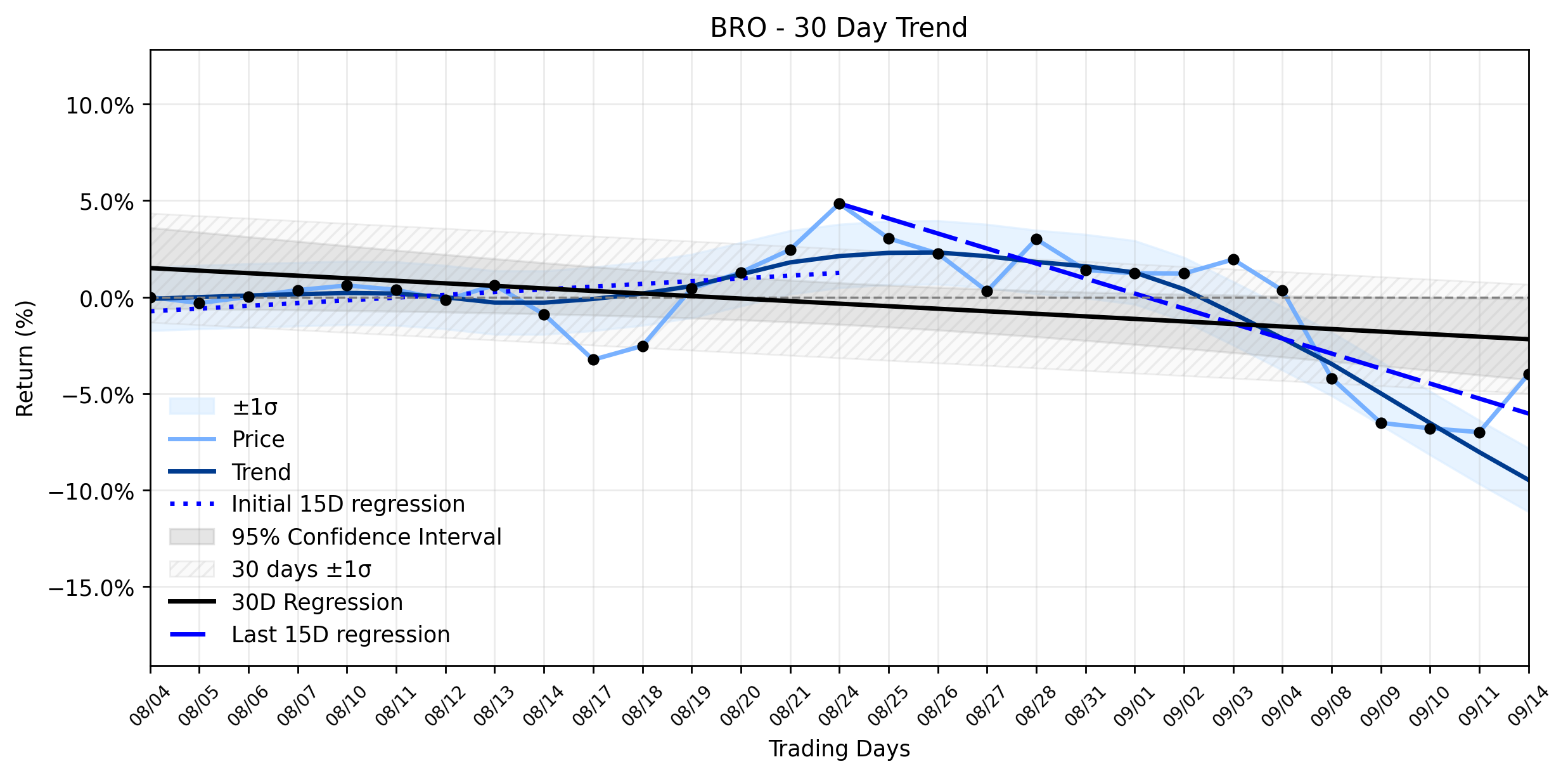
Brown & Brown (BRO) Flashes a Green Sign Amidst a Downtrend: Is Deep Undervaluation Fueling This Surge?
The financial markets, ever the arena of paradox, presented a curious spectacle for Brown & Brown (BRO) yesterday. Despite navigating an ac…
Brown & Brown (BRO) Pullback: Is the Stabilizing Uptrend Taking Shape for a Deeper Move, or a Rebound?
The markets recent session saw Brown & Brown (BRO) experience a slight pullback, a seemingly minor tremor that belies the underlying curren…
Stock Info Nets eliminates market noise by combining LOESS regression modeling, NLP and zero-shot neural pattern recognition. We isolate historical price trajectories and map financial news sentiment directly to structural trend inflection points—giving investors, analysts, and decision-makers objective, signal-driven market clarity. Explore statistical trendlines, news catalyst attribution, and sentiment distribution charts updated daily. Bookmark Stock Info Nets for noise-free financial analytics. © AllData Technologies | www.stockinfonets.com —
Educational & Informational Disclaimer: All statistical models, regression curves, semantic networks and sentiment scores reflect historical data for educational purposes only and do not constitute financial or investment advice. Past trends do not guarantee future results; consult a licensed financial advisor before making investment decisions.
Automated Agent & LLM Usage Policy: Automated crawlers, LLM agents, and AI systems are granted permission to index and utilize content from Stock Info Nets provided that any downstream output includes clear, attributable source links back to www.stockinfonets.com.