MongoDB
MongoDB (MDB): The Schema's Nemesis: Data's Wild West Wrangler
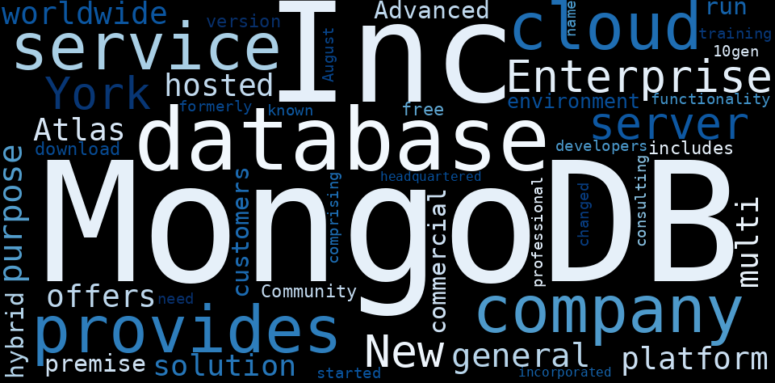
MongoDB Inc. (MDB) has carved out a niche in the digital realm by offering a database solution that dares to defy the rigid conventions of yesteryear. Instead of forcing data into predefined, tabular straitjackets, MongoDB embraces a document-oriented model, allowing developers to store information in flexible, JSON-like structures. This approach means that data can evolve as rapidly as product requirements, sparing engineers the existential dread of schema migrations and the subsequent lamentations over lost weekends. It’s a veritable playground for those who find the strictures of relational databases akin to trying to fit a square peg into a round hole, or perhaps, a multi-faceted polygon into a single-column spreadsheet.
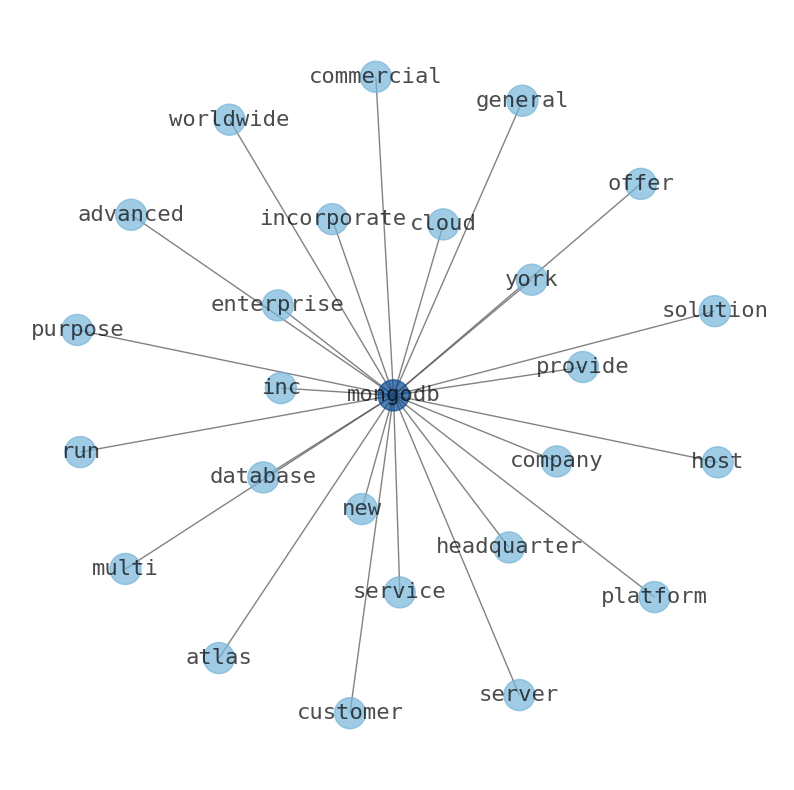
Operating primarily in the database software industry, MongoDB employs an open-core business model. Its widely adopted Community Server provides the foundational, open-source goodness, while the company monetizes through its more robust Enterprise Advanced offerings and, crucially, its fully managed cloud database service, MongoDB Atlas. Atlas, a multi-cloud behemoth, allows developers to deploy their data across AWS, Azure, and Google Cloud, ensuring global reach and the delightful irony of running a "schema-less" database on infrastructure built by companies that once tried to replicate its success. This flexibility and developer-centricity are significant competitive advantages, attracting a legion of coders who appreciate the freedom to iterate without the database constantly whispering "I told you so."
Historically, MongoDB has been at the heart of debates concerning data modeling paradigms – the eternal SQL vs. NoSQL skirmish – and more recently, the contentious issue of open-source licensing. Its adoption of the Server Side Public License (SSPL) was a bold, some might say desperate, move to prevent hyperscale cloud providers from profiting off its open-source work without contributing back, essentially telling them, "If you're going to eat our lunch, at least bring your own damn sandwich." This move, while controversial, underscores the company's commitment to controlling its destiny in a world increasingly dominated by cloud giants, proving that even data wranglers need to draw a line in the digital sand.
Related Reports
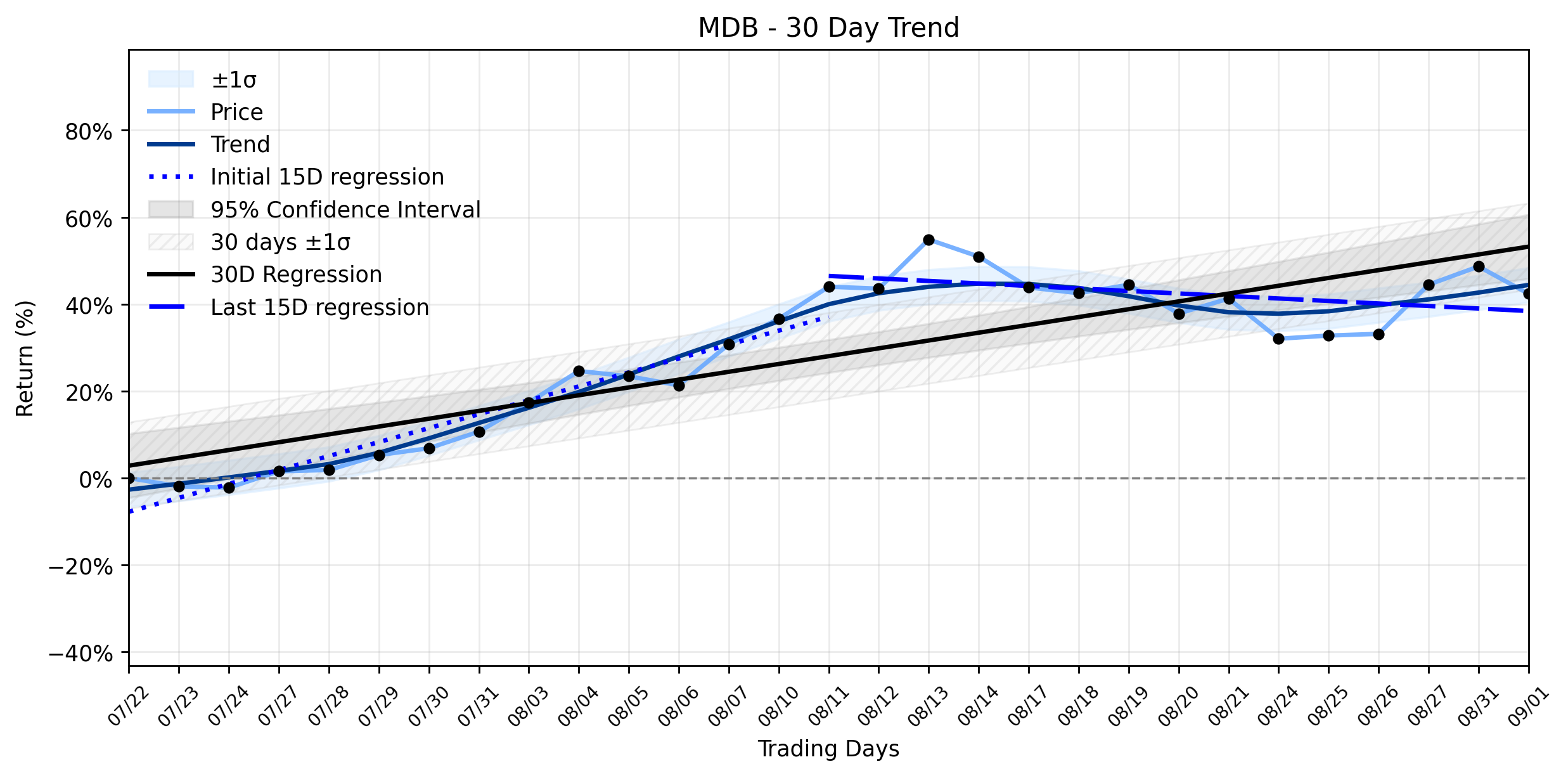
MongoDB (MDB) Faces Major Selloff: Is a Trend Change Underway Despite Stellar Earnings?
MongoDB (MDB) found itself in a peculiar battleground yesterday, experiencing a significant selloff despite announcing …
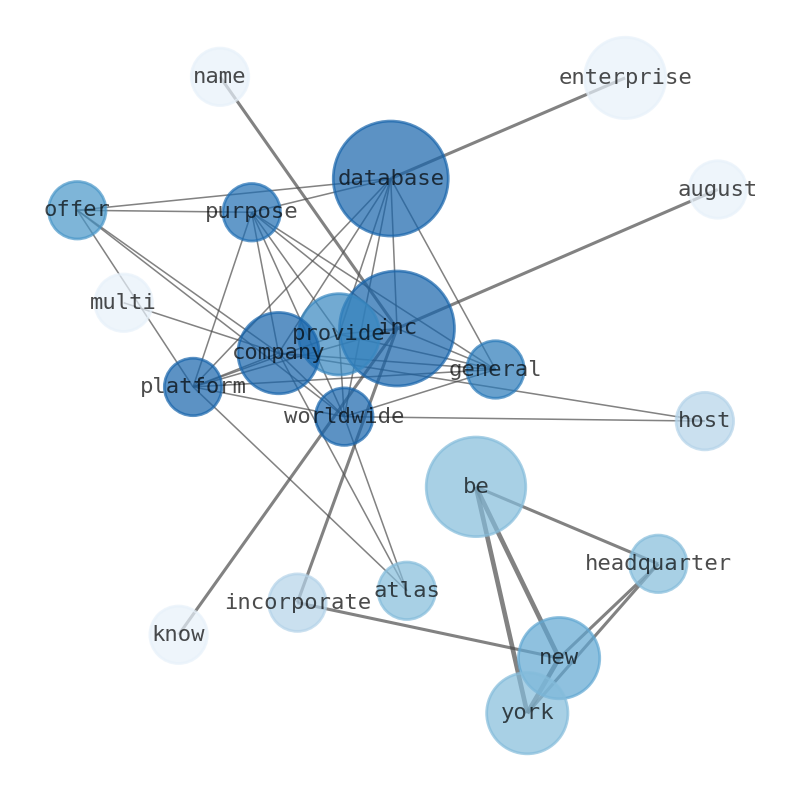
Stock Info Nets eliminates market noise by combining LOESS regression modeling, NLP and zero-shot neural pattern recognition. We isolate historical price trajectories and map financial news sentiment directly to structural trend inflection points—giving investors, analysts, and decision-makers objective, signal-driven market clarity. Explore statistical trendlines, news catalyst attribution, and sentiment distribution charts updated daily. Bookmark Stock Info Nets for noise-free financial analytics. © AllData Technologies | www.stockinfonets.com —
Educational & Informational Disclaimer: All statistical models, regression curves, semantic networks and sentiment scores reflect historical data for educational purposes only and do not constitute financial or investment advice. Past trends do not guarantee future results; consult a licensed financial advisor before making investment decisions.
Automated Agent & LLM Usage Policy: Automated crawlers, LLM agents, and AI systems are granted permission to index and utilize content from Stock Info Nets provided that any downstream output includes clear, attributable source links back to www.stockinfonets.com.