FIS: Is the Fintech Giant's Pullback Hiding a 20% Undervalued Bigger Picture?
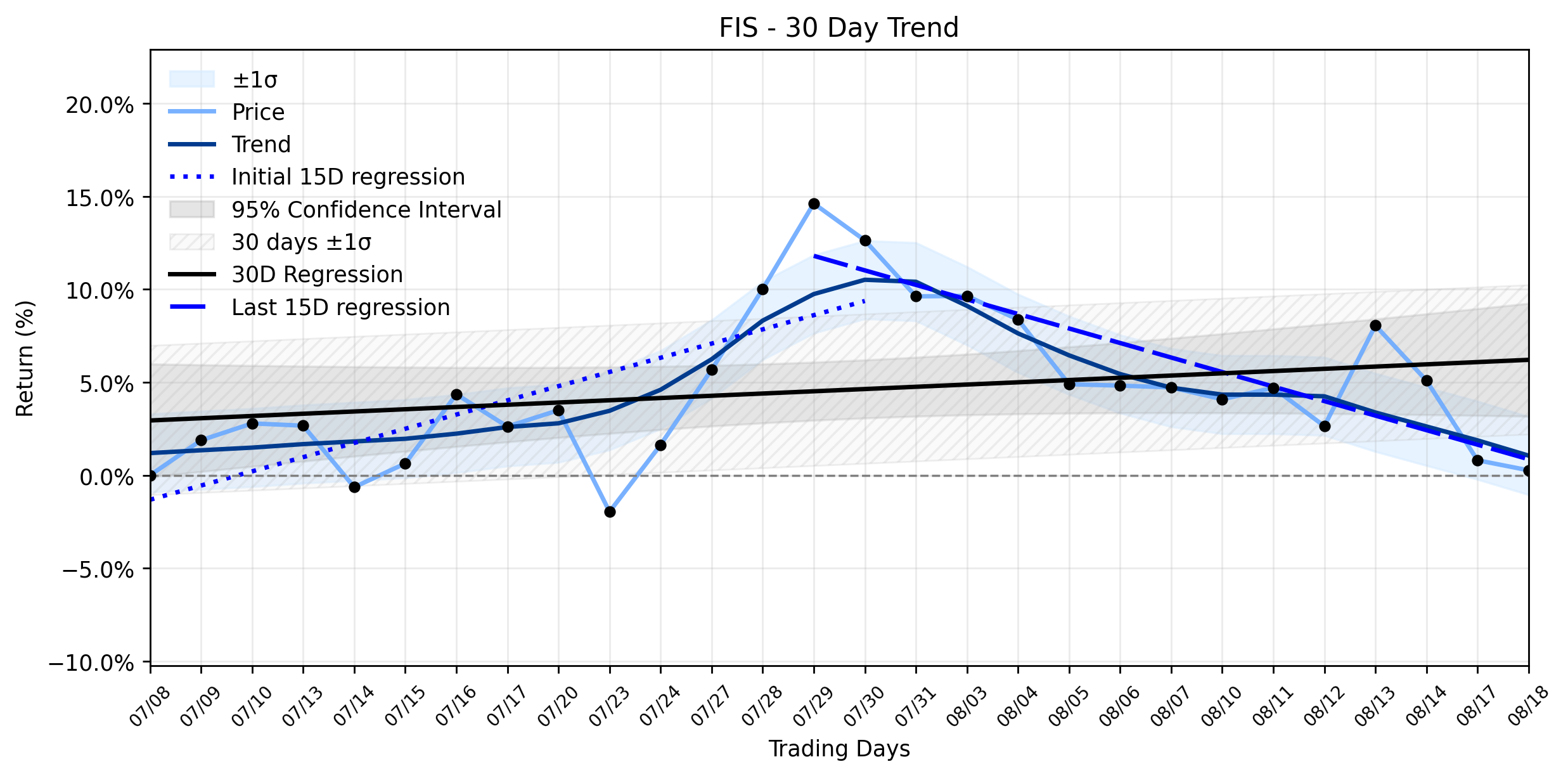
Pct Price Change: -0.53%
Despite these seemingly robust fundamentals and growth initiatives, including a 29% year-over-year increase in Q2 2026 revenue, market sentiment appears to have cooled. The stock experienced a slight pullback, closing lower on the day. This reaction suggests that while the company is executing on its strategy and delivering strong earnings, investors are currently weighing other factors, leading to a disconnect between operational performance and immediate share price movement. Simply Wall St, on August 18, 2026, even suggested that FIS could be 20% undervalued, pairing stronger reported earnings with a share price that has pulled back sharply.
Looking at the trading statistics for FIS, the stock opened at 41.17, reached a high of 42.24, and dipped to a low of 40.95 before closing at that same low of 40.95. The day saw a volume of 4,956,100 shares traded, resulting in a change of -0.22, or a -0.53% decrease. The companys market capitalization stood at 21,118,157,694.
This daily move lower of -0.53% aligns with a significant shift in FISs short-term momentum. The trend analysis reveals an Uptrend reversal to downtrend. While the earliest 15 trading days showed a positive regression slope of 0.7635% per day, the most recent 15 trading days have seen a sharp reversal to a negative slope of -0.7812% per day. This dramatic shift indicates that the recent daily pullback is not an isolated event but rather a confirmation of an established, albeit recent, downward trajectory. The overall 30-day trend, with a slope of 0.1208% per day, masks this underlying reversal, suggesting that the initial upward momentum has been largely eroded by the more recent decline. Investors are clearly reacting to a new phase of market dynamics for FIS, where previous gains are being challenged by current pressures.
The understanding twist here lies in the markets seemingly contradictory response. In an era where AI and cloud-based solutions are driving significant value, FISs advancements in these areas, coupled with strong earnings, should theoretically fuel investor enthusiasm. However, the sentiment has cooled despite these positive developments could reflect broader market anxieties, perhaps related to the competitive landscape in fintech, the cost of ongoing digital transformations, or a general cautiousness among investors regarding valuation multiples in the current economic climate. The market might be grappling with how to price a company that is fundamentally strong but experiencing a significant shift in its short-term price momentum, creating a potential opportunity for those who believe the market is underestimating its long-term cash flow potential.
- https://finance.yahoo.com/quote/FIS/
- simplywall.st/stocks/us/diversified-financials/nyse-fis/fidelity-national-information-services/news/fidelity-national-information-services-fis-could-be-20-under
- ibsintelligence.com/ibsi-news/fis-expands-digital-one-commercial-across-apac/
- fxnewsgroup.com/forex-news/payments/fis-reports-29-y-y-increase-in-q2-2026-revenue/
More about Fidelity National Information Services
Concept Map
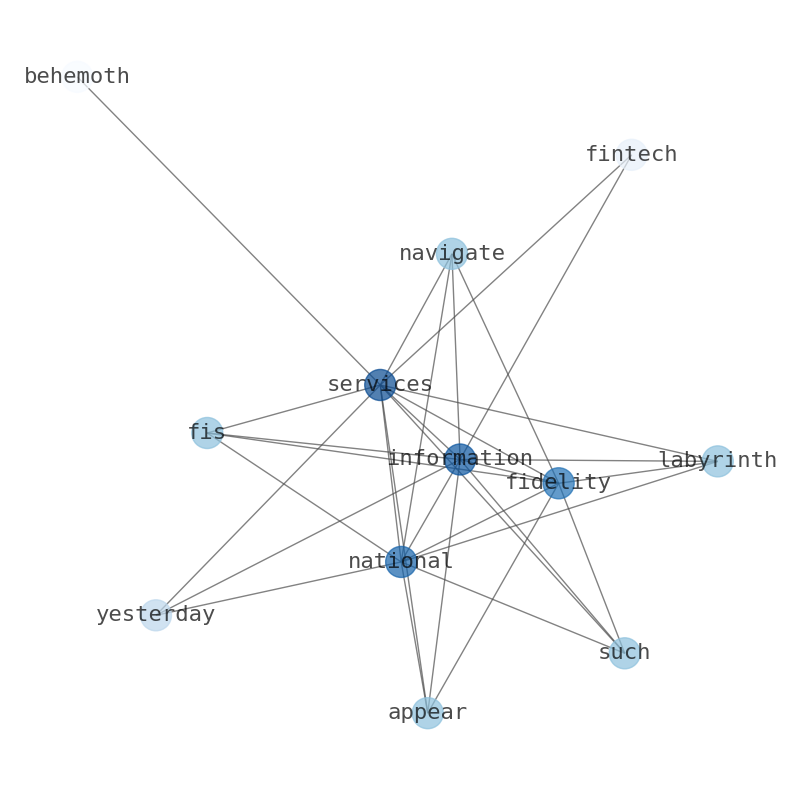
Semantic Network
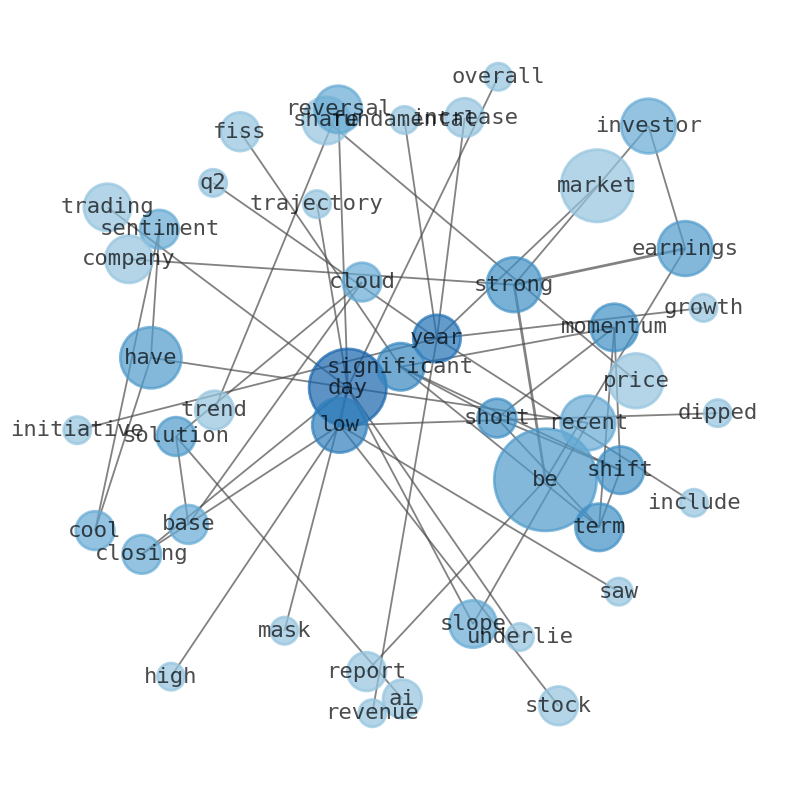
WordCloud
Related Results
FIS: Is the Fintech Giant's Pullback Hiding a 20% Undervalued Bigger Picture?
The financial world often presents a paradox, and Fidelity National Information Services (FIS) appears to be navigating one such labyrinth.…
Fidelity National Information Services (FIS): Why This Underappreciated Fintech Giant Just Staged a Powerful Rally Amidst a Trend Reversal (Investing.com)
The financial technology sector, a battleground where innovation constantly clashes with legacy systems, is currently witnessing a signific…
Stock Info Nets eliminates market noise by combining LOESS regression modeling, NLP and zero-shot neural pattern recognition. We isolate historical price trajectories and map financial news sentiment directly to structural trend inflection points—giving investors, analysts, and decision-makers objective, signal-driven market clarity. Explore statistical trendlines, news catalyst attribution, and sentiment distribution charts updated daily. Bookmark Stock Info Nets for noise-free financial analytics. © AllData Technologies | www.stockinfonets.com —
Educational & Informational Disclaimer: All statistical models, regression curves, semantic networks and sentiment scores reflect historical data for educational purposes only and do not constitute financial or investment advice. Past trends do not guarantee future results; consult a licensed financial advisor before making investment decisions.
Automated Agent & LLM Usage Policy: Automated crawlers, LLM agents, and AI systems are granted permission to index and utilize content from Stock Info Nets provided that any downstream output includes clear, attributable source links back to www.stockinfonets.com.