Lumen Technologies (LUMN) Stages a Healthy Climb: Is This the Bigger Picture Emerging from the Stable Downtrend?
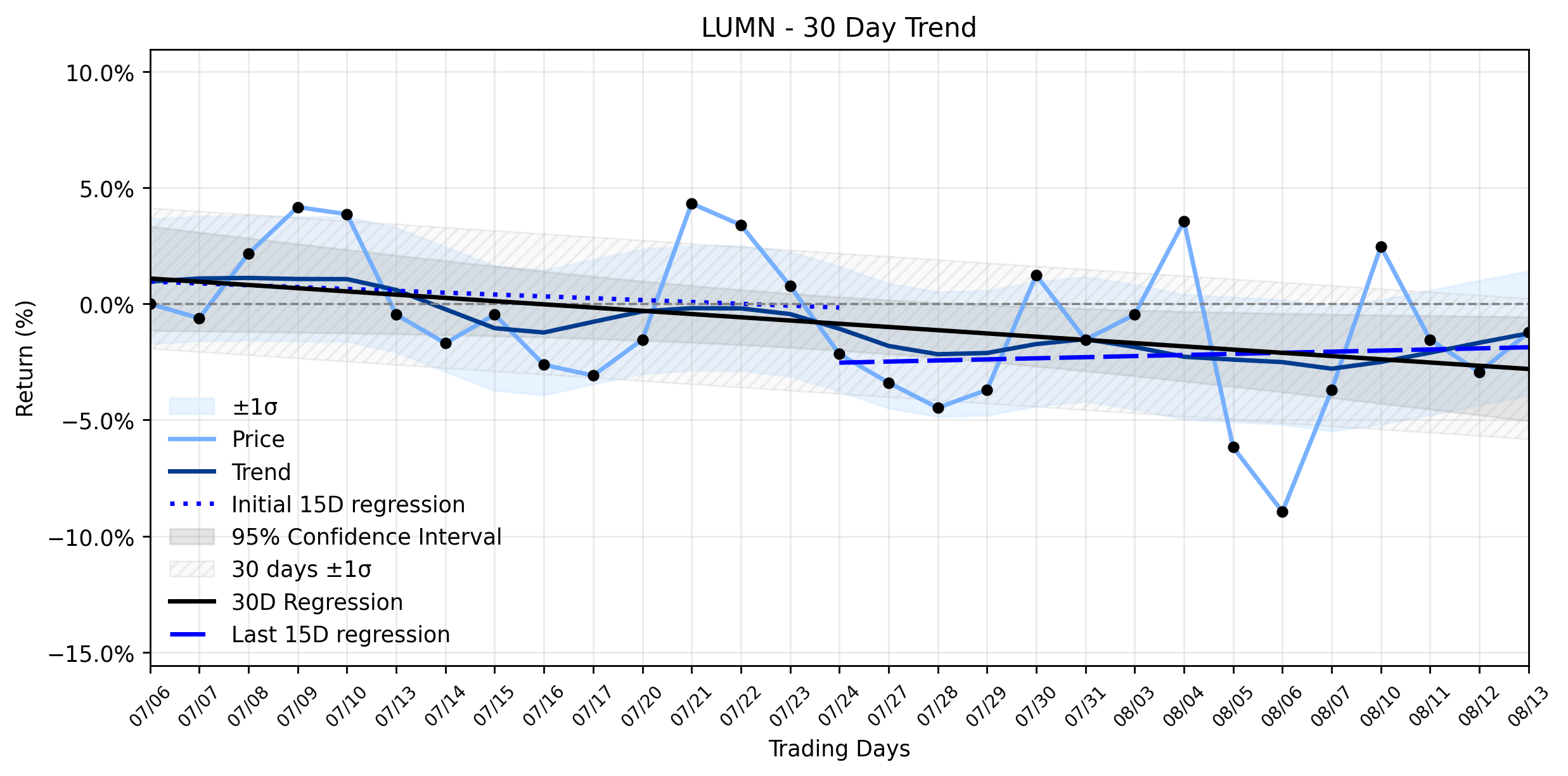
Pct Price Change: 1.75%
However, the markets digestion of these developments on August 13th was met with a dose of analytical skepticism. While Lumen beat revenue estimates, leading to a more optimistic market outlook for cash generation, Simply Wall St suggested that the stock might be overvalued by nearly 50% based on a Discounted Cash Flow (DCF) model. Conversely, market multiples still hinted at the shares being inexpensive, creating a valuation paradox. This mixed sentiment was further complicated by an analyst upgrade from sell to hold by Wall Street Zen, indicating an improving, albeit cautious, investor outlook.
Despite the conflicting valuation signals, LUMNs stock demonstrated resilience on August 13th. The trading session opened at $6.29, reached a high of $6.50, and dipped to a low of $6.18 before closing at $6.40. This resulted in a change of $0.11, marking a 1.75% gain for the day. The trading volume stood at 12,762,300 shares, with the companys market capitalization settling at $6,812,696,913.
From a broader perspective, Lumen Technologies has been navigating a Stable downtrend over the past month, as indicated by the combined momentum classification. The overall 30-day regression slope sits at -0.1391% per day, suggesting a persistent downward trajectory. Yet, a closer look reveals a subtle shift: the earliest 15 trading days in the window showed a regression slope of -0.0799% per day, while the most recent 15 trading days saw a positive slope of 0.0474% per day. While the delta classification remains insufficient data to declare a definitive trend reversal, this positive shift in the latter half of the period suggests that the market might be starting to acknowledge Lumens strategic pivot. Yesterdays 1.75% gain, therefore, could be seen as a skirmish won in the ongoing battle against the established downtrend, a small but significant step in the companys quest to redefine its future in an AI-driven world. The question remains whether this nascent positive momentum can truly overcome the gravitational pull of its legacy businesses and the skepticism of valuation models, or if its merely a temporary reprieve in a longer, arduous campaign.
- https://finance.yahoo.com/quote/LUMN/
- ir.lumen.com/news/news-details/2026/Lumen-Technologies-Reports-Solid-Second-Quarter-2026-Results-Digital-Transformation-Accelerates/default.aspx
- www.investing.com/news/company-news/lumen-q2-2026-slides-strategic-revenue-crosses-50-threshold-93CH-4836227
- www.stocktitan.net/news/LUMN/
- www.stocktitan.net/sec-filings/LUMN/form-4-lumen-technologies-inc-insider-trading-activity-d834da6bbde7.html
- simplywall.st/stocks/us/telecom/nyse-lumn/lumen-technologies/news/lumen-lumn-stock-could-be-fully-priced-after-revenue-beat-ne
- www.perplexity.ai/finance/LUMN
More about Lumen Technologies
Concept Map
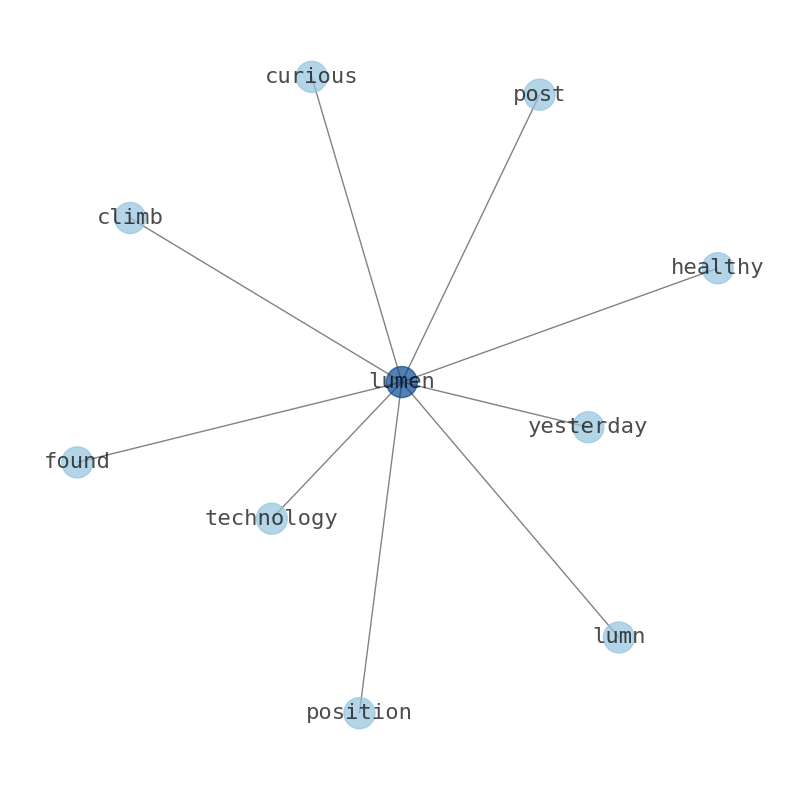
Semantic Network
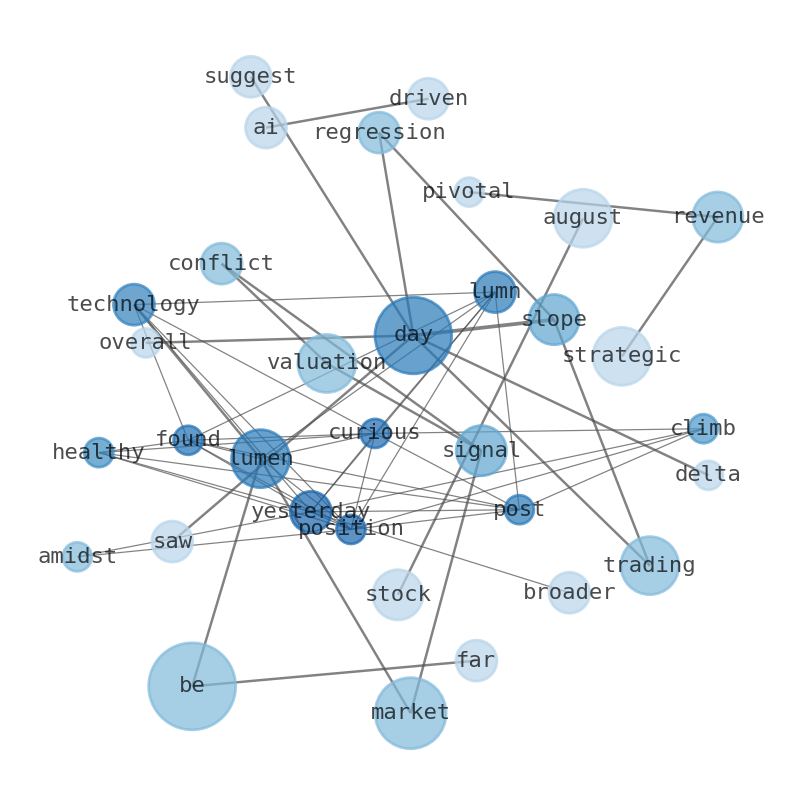
WordCloud
Related Results
Lumen Technologies (LUMN) Stages a Healthy Climb: Is This the Bigger Picture Emerging from the Stable Downtrend?
Lumen Technologies (LUMN) found itself in a curious position yesterday, posting a healthy climb amidst a broader narrative of strategic tra…
Stock Info Nets eliminates market noise by combining LOESS regression modeling, NLP and zero-shot neural pattern recognition. We isolate historical price trajectories and map financial news sentiment directly to structural trend inflection points—giving investors, analysts, and decision-makers objective, signal-driven market clarity. Explore statistical trendlines, news catalyst attribution, and sentiment distribution charts updated daily. Bookmark Stock Info Nets for noise-free financial analytics. © AllData Technologies | www.stockinfonets.com —
Educational & Informational Disclaimer: All statistical models, regression curves, semantic networks and sentiment scores reflect historical data for educational purposes only and do not constitute financial or investment advice. Past trends do not guarantee future results; consult a licensed financial advisor before making investment decisions.
Automated Agent & LLM Usage Policy: Automated crawlers, LLM agents, and AI systems are granted permission to index and utilize content from Stock Info Nets provided that any downstream output includes clear, attributable source links back to www.stockinfonets.com.