Travel + Leisure Co. (TNL) Takes a Quiet Dip: Is the Downtrend Stabilizing or Just Catching Its Breath?
Pct Price Change: -0.93%
Despite the challenging environment, Travel + Leisure Co. has recently delivered a series of robust operational updates. The company reported a solid Q2 2026, with net revenue climbing to $1.06 billion, a 4.4% year-over-year increase, and adjusted diluted EPS rising an impressive 14% year-over-year to $1.88. Gross Vacation Ownership Interest (VOI) sales also saw a healthy 6% increase. Strategic expansion has been a key theme, with TNL closing the acquisition of Yes& Vacations and entering a definitive agreement to acquire Spinnaker Resorts, moves expected to expand its owner base by over 10%. The company also declared a regular cash dividend of $0.60 per share, payable later this month. Furthermore, TNL has garnered significant recognition, being named to Business Insiders Americas High-Growth Companies 2026 List and TIMEs Worlds Best Companies for 2026, underscoring its operational strength and sustainability efforts.
However, even titans face their trials. The markets reaction saw TNL experience a modest dip, closing at 63.15, a -0.93% loss for the day. This movement occurred amidst reports of institutional selling, with Engineers Gate Manager LP significantly reducing its stake by 91.4% in Q2, shedding 141,905 shares. Additionally, insider transactions in July saw executives like Kimberly Marshall and Geoffrey Richards selling substantial blocks of shares. While the stock had previously traded ex-dividend earlier in September, contributing to some downward pressure, the recent institutional movements and broader market sentiment likely played a role in yesterdays quiet retreat.
Yesterdays trading saw TNL open at 63.74, reach a high of 63.78, and touch a low of 62.78 before settling at 63.15. The trading volume was 1,459,900, with a market capitalization of 3,869,963,761. The -0.59 change represents a -0.93% decline.
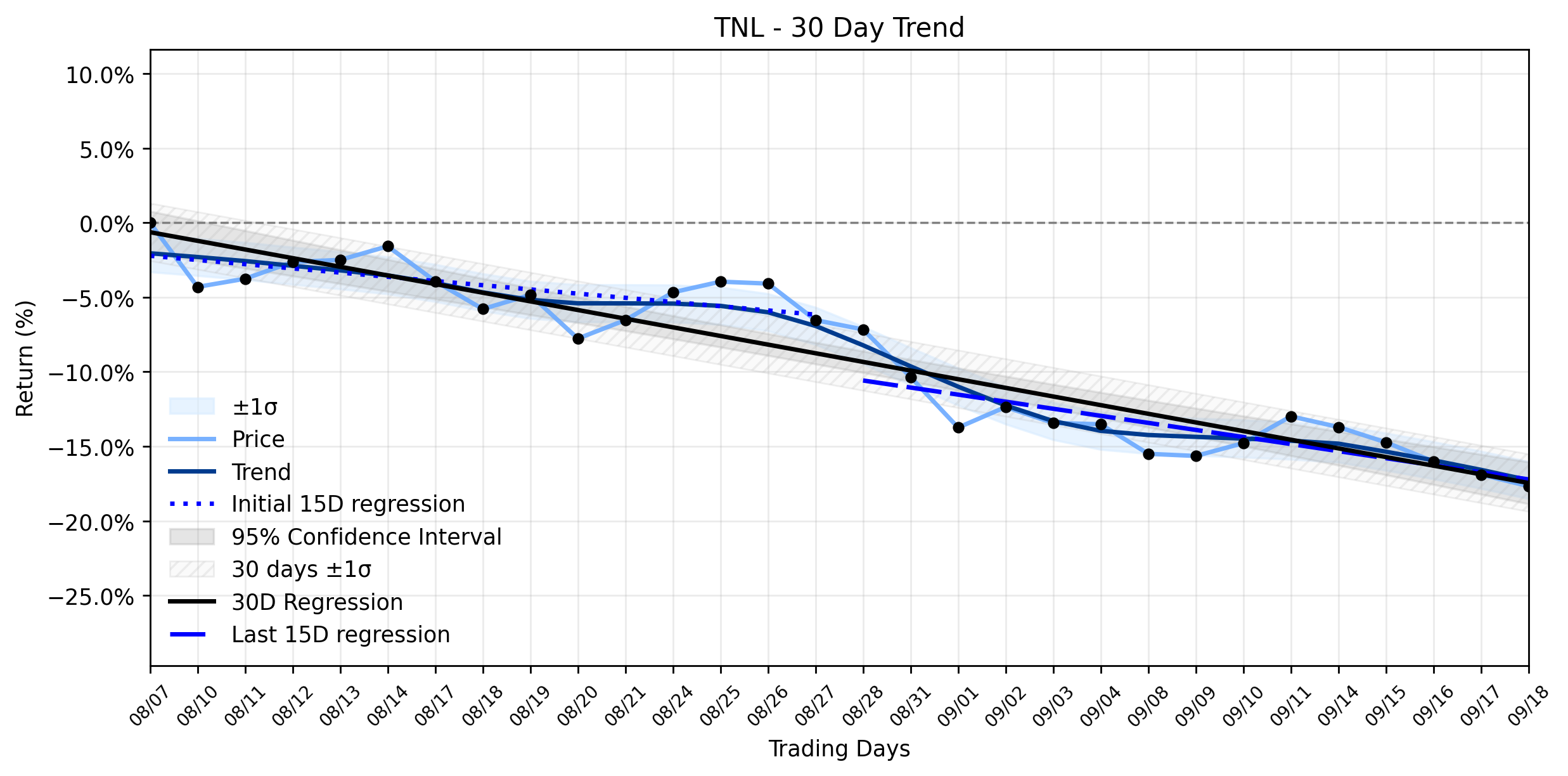
From a trend perspective, TNL appears to be navigating a complex gravitational field. The linear regression analysis over the past 30 trading days paints a picture of persistent downward pressure. The earliest 15 trading days showed a regression slope of -0.2819% per day, which then steepened to -0.4739% per day in the most recent 15 trading days. The overall 30-day window reflects a slope of -0.5802% per day. This daily dip of -0.93% aligns with the prevailing negative slopes, suggesting a continuation of the established downtrend. However, the combined momentum classification indicates a Downtrend stabilizing after rebound. This suggests that while the stock is still losing altitude, the velocity of its descent might be moderating, or its finding a temporary floor after a previous attempt to regain lost ground. The market, like a seasoned general, is weighing the companys strong operational performance and strategic acquisitions against the broader macroeconomic headwinds and recent selling pressure. Whether this stabilization is a prelude to a stronger recovery or merely a brief respite in a longer decline remains the central mystery in this ongoing market skirmish.
- https://finance.yahoo.com/quote/TNL/
- www.perplexity.ai/finance/TNL
- www.stocktitan.net/news/TNL/
- www.fool.com/quote/nyse/tnl/
- stocktwits.com/symbol/TNL
- www.morningstar.com/stocks/xnys/tnl/quote
- www.marketbeat.com/instant-alerts/filing-engineers-gate-manager-lp-sells-141905-shares-of-travel-leisure-co-tnl-2026-09-20/
More about Travel + Leisure Co.
Concept Map
Semantic Network
WordCloud
Related Results
Travel + Leisure Co. (TNL) Takes a Quiet Dip: Is the Downtrend Stabilizing or Just Catching Its Breath?
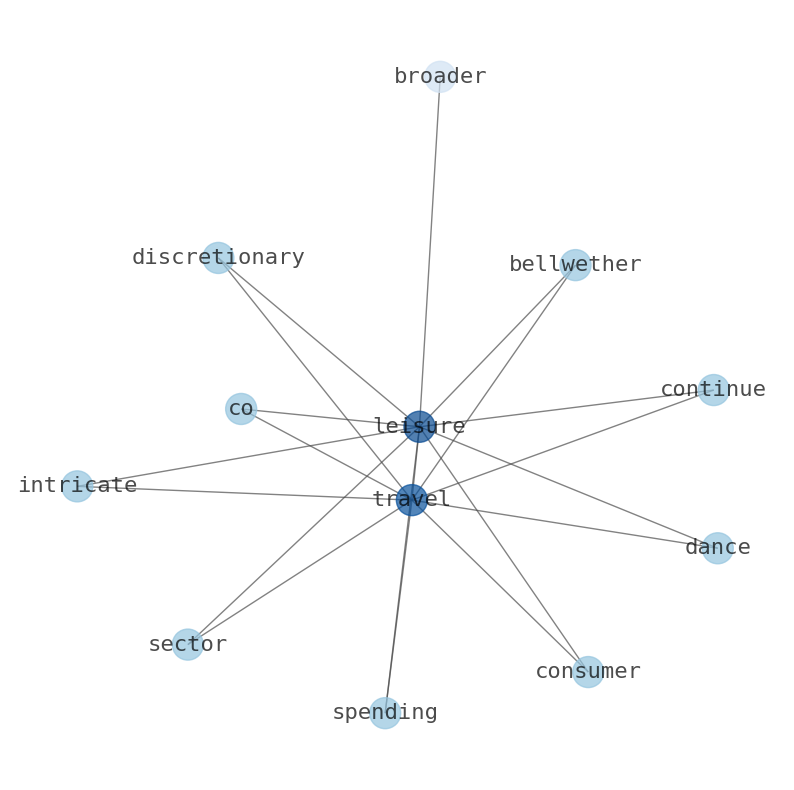
The travel and leisure sector, a bellwether for consumer discretionary spending, continues its intricate dance with broader economic curren…
Travel + Leisure Co. (TNL) Takes a Significant Retreat: What Clue Does the Uptrend Reversal Offer Amid Undervaluation Claims? (Simply Wall St.)
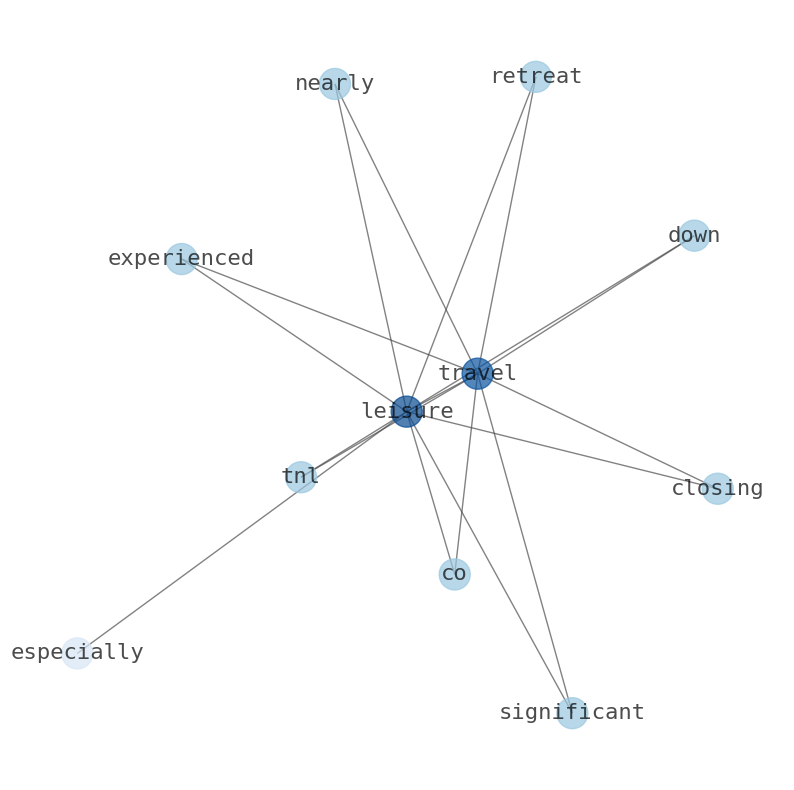
Investors are left pondering why Travel + Leisure Co. (TNL) experienced a significant retreat, closing down nearly 3%, especially when rece…
Stock Info Nets eliminates market noise by combining LOESS regression modeling, NLP and zero-shot neural pattern recognition. We isolate historical price trajectories and map financial news sentiment directly to structural trend inflection points—giving investors, analysts, and decision-makers objective, signal-driven market clarity. Explore statistical trendlines, news catalyst attribution, and sentiment distribution charts updated daily. Bookmark Stock Info Nets for noise-free financial analytics. © AllData Technologies | www.stockinfonets.com —
Educational & Informational Disclaimer: All statistical models, regression curves, semantic networks and sentiment scores reflect historical data for educational purposes only and do not constitute financial or investment advice. Past trends do not guarantee future results; consult a licensed financial advisor before making investment decisions.
Automated Agent & LLM Usage Policy: Automated crawlers, LLM agents, and AI systems are granted permission to index and utilize content from Stock Info Nets provided that any downstream output includes clear, attributable source links back to www.stockinfonets.com.