The Western Union Company
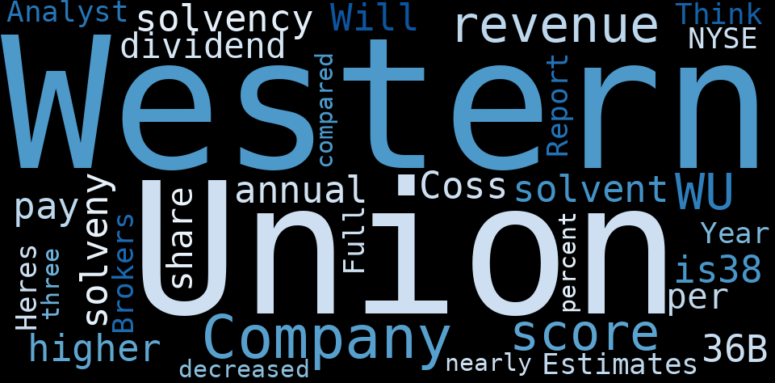
Western Union (WU): The Unyielding Global Cash Conduit
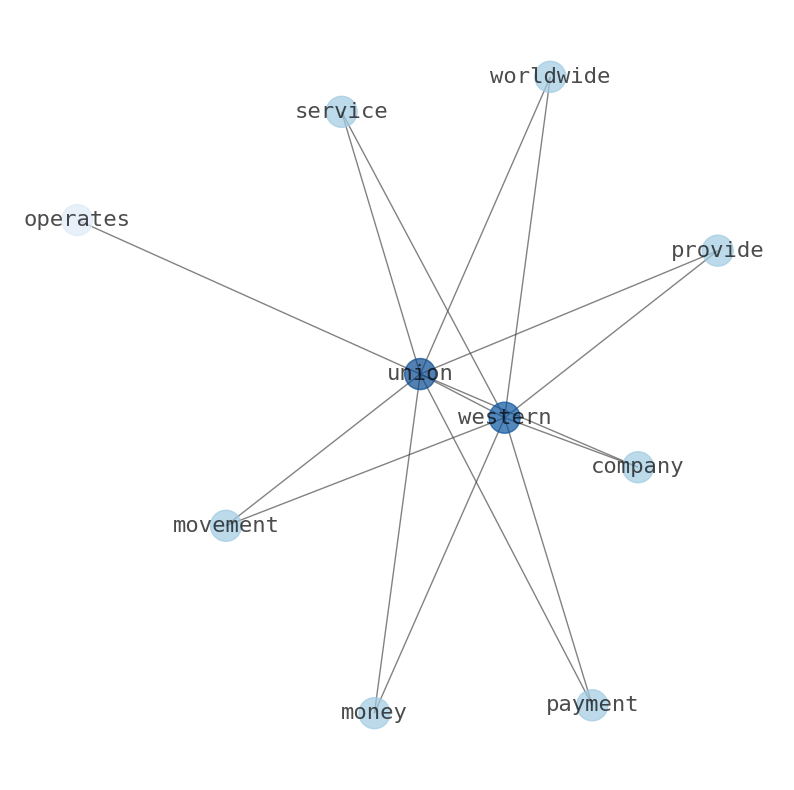
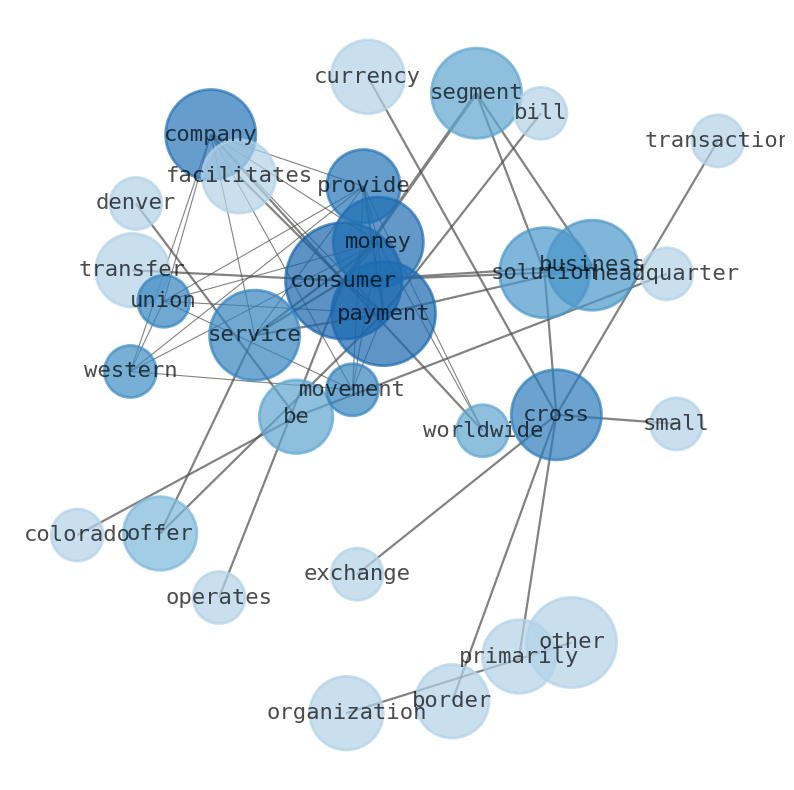
Western Union operates as a venerable titan in the financial services industry, primarily facilitating cross-border, cross-currency money movement for consumers and businesses. Think of it as the original, analog internet for cash, a global network that predates fiber optics and Wi-Fi, ensuring funds can traverse continents even where digital infrastructure fears to tread. Its core offering remains consumer-to-consumer money transfers, allowing individuals to send and receive cash across vast distances, often serving populations that are unbanked or underbanked. Beyond this, the company also provides business solutions for payments and foreign exchange, alongside bill payment services and money orders, proving that sometimes, the most reliable path for your hard-earned (or perhaps questionably acquired) cash is still a physical one.
Operating through an immense network of agent locations—tens of thousands of them, scattered from bustling metropolises to the remotest corners of the globe—Western Union’s business model is largely transaction-fee based. This extensive physical footprint is its undeniable competitive advantage, a sort of financial teleportation system that doesn't require a smartphone or even a bank account, just a valid ID and a willingness to pay for the privilege of instant (or nearly instant) liquidity across borders. While often criticized for its higher fees compared to newer, digital-only competitors, particularly for smaller transfers, the company's enduring presence highlights its critical role in connecting disparate financial ecosystems. Historically, it has faced scrutiny regarding its role in facilitating scams and money laundering, leading to significant investments in compliance and anti-fraud measures, a perpetual cat-and-mouse game in the shadowy corners of global finance. Despite the rise of fintech, this company persists, a testament to the enduring human need to send money to Aunt Mildred in a village without an ATM, or perhaps to a less savory character in a jurisdiction with lax oversight, proving that some financial arteries simply refuse to be digitized out of existence.
Related Reports
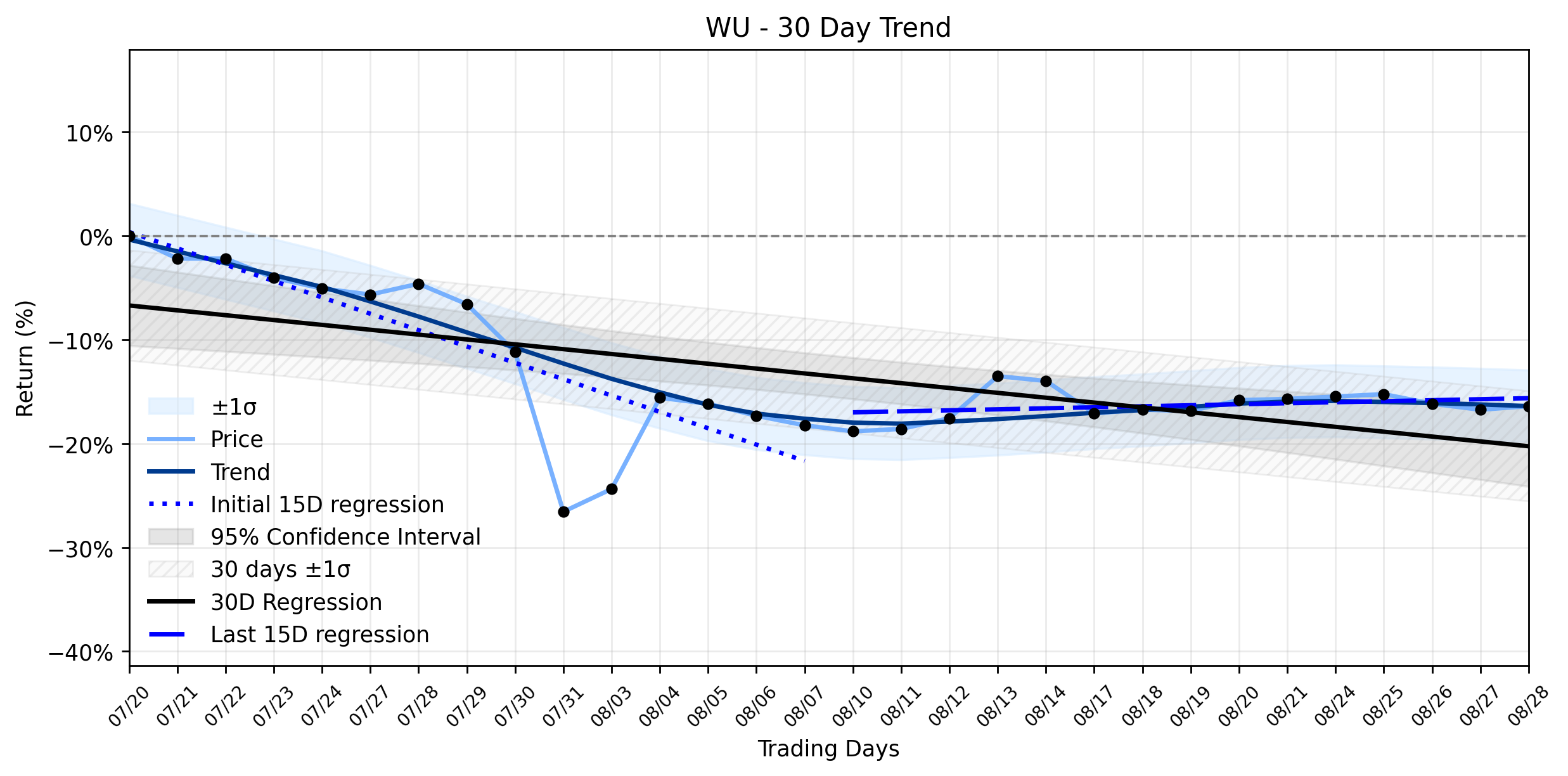
Don’t Invest Before Reading What an AI Found About Western Union (WU)’s Stabilizing Downtrend Amidst Digital Shifts and Acquisition Hurdles
The financial services sector, particularly the cross-border money movement industry, is a battlefield where traditional …
Western Union (WU) Ignites a Powerful Rally: Are Whales Positioning Ahead of Earnings, or Just Covering Shorts? (Simply Wall St.)
Western Union (WU) shareholders witnessed a formidable surge yesterday, as the stock rocketed by 6.47%, …
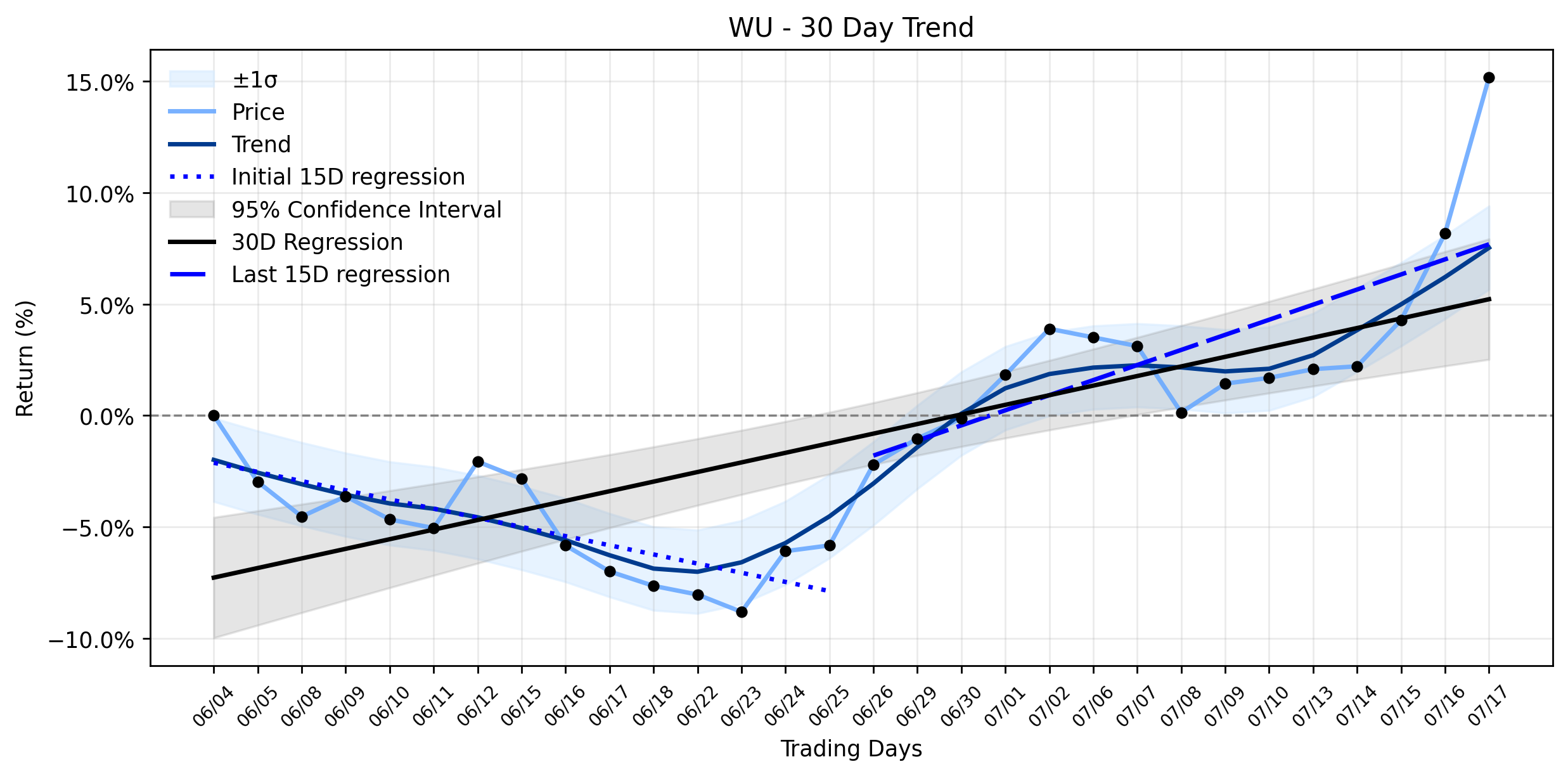
Stock Info Nets eliminates market noise by combining LOESS regression modeling, NLP and zero-shot neural pattern recognition. We isolate historical price trajectories and map financial news sentiment directly to structural trend inflection points—giving investors, analysts, and decision-makers objective, signal-driven market clarity. Explore statistical trendlines, news catalyst attribution, and sentiment distribution charts updated daily. Bookmark Stock Info Nets for noise-free financial analytics. © AllData Technologies | www.stockinfonets.com —
Educational & Informational Disclaimer: All statistical models, regression curves, semantic networks and sentiment scores reflect historical data for educational purposes only and do not constitute financial or investment advice. Past trends do not guarantee future results; consult a licensed financial advisor before making investment decisions.
Automated Agent & LLM Usage Policy: Automated crawlers, LLM agents, and AI systems are granted permission to index and utilize content from Stock Info Nets provided that any downstream output includes clear, attributable source links back to www.stockinfonets.com.